
What is Insurance Subrogation?
Facing a subrogation claim? Learn how a Florida subrogation defense attorney can help by visiting our Florida Subrogation Defense Attorneys page.
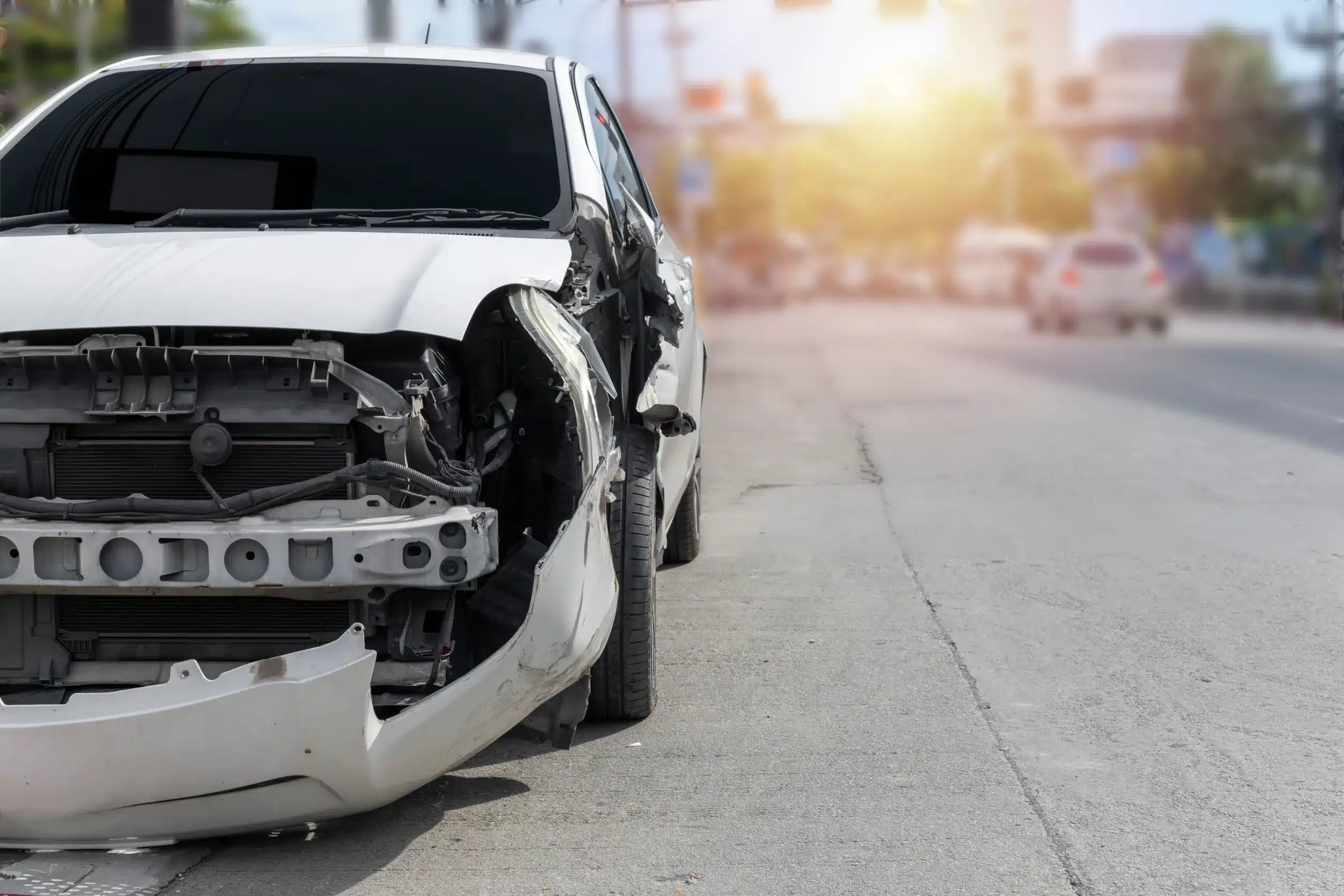
Insurance subrogation is when an insurance company tries to get back money they paid out to their customer for a claim by going after the person or company responsible for the damage. Let’s say you have car insurance and you get into a car accident. Your insurance company pays for the damages to your car and your medical bills. If the accident was not your fault, your insurance company may try to get the money back from the other driver’s insurance company.
This is where subrogation comes in. Your insurance company will step into your shoes and try to recover the money they paid out on your behalf. They will investigate the accident and gather evidence to prove that the other driver was at fault.
If they are successful, they will receive a payment from the other driver’s insurance company to cover the costs of your claim. This process helps keep insurance premiums lower for everyone because the responsible party’s insurance company is paying for the damages instead of your insurance company.
Florida adds another layer to this process. Because Florida is a no-fault state, most drivers carry Personal Injury Protection (PIP) coverage under Fla. Stat. § 627.736, and a large share of subrogation activity in Florida starts with a PIP insurer recovering what it paid out after a crash. If you are the one being asked to repay an insurance company, you are likely facing a car accident subrogation claim, which carries its own rules and defenses, discussed further below.
What is Uninsured Motorist Subrogation?
Uninsured motorist subrogation is a type of subrogation that happens when you get into a car accident with someone who doesn’t have insurance. If you have uninsured motorist coverage on your own car insurance policy, your insurance company may pay for the damages and medical bills you incurred because of the accident.
After your insurance company pays for the damages, they may try to get the money back from the person who caused the accident. Since that person doesn’t have insurance, your insurance company would be going after them directly. This is where uninsured motorist subrogation comes in. Your insurance company will step into your shoes and try to recover the money they paid out on your behalf. They will investigate the accident and gather evidence to prove that the other driver was at fault.
If they are successful, they will receive a payment from the other driver to cover the costs of your claim. This process helps keep insurance premiums lower for everyone because the responsible party is paying for the damages instead of your insurance company.
Uninsured motorist subrogation can be complicated because the person who caused the accident may not have the money to pay for the damages. In this case, your insurance company may have to take legal action to recover the money.
It is important to note that uninsured motorist subrogation only applies if you have uninsured motorist coverage on your car insurance policy. If you do not have this coverage, your insurance company will not pay for the damages and you will have to pay for them yourself.
In short, uninsured motorist subrogation is a type of subrogation that happens when you get into a car accident with someone who doesn’t have insurance. If you have uninsured motorist coverage on your own car insurance policy, your insurance company may pay for the damages and medical bills you incurred because of the accident, and then try to get the money back from the person who caused the accident.
What Are Other Types of Insurance Subrogation?
Subrogation is not just for car accidents. It can happen in any situation where an insurance claim is paid out. For example, if your house is damaged by a storm and your insurance company pays for the repairs, they may try to recover the money from the company responsible for the damage, such as a utility company if a fallen power line caused the damage.
Subrogation can also happen in health insurance. If you are injured in an accident and your health insurance pays for your medical bills, they may try to recover the money from the person or company responsible for the accident.
In some cases, subrogation can be complicated. If multiple insurance companies are involved, they may have to work together to determine who is responsible for paying the claim. For example, if you are in a car accident and the other driver is at fault, but they are driving a rental car, the rental car company’s insurance may be responsible for paying the claim. Your insurance company may have to work with the rental car company’s insurance company to recover the money.
It is important to note that subrogation only applies to claims that are paid out by your insurance company. If you receive compensation from the person responsible for the damage, your insurance company will not try to recover the money.
Subrogation can also have an impact on your settlement. If your insurance company is successful in recovering the money they paid out on your behalf, they will take a portion of the settlement as reimbursement for the money they paid out. This is known as subrogation reimbursement.
Subrogation shows up outside of car accidents too. Workers’ compensation insurers can pursue a negligent third party under Fla. Stat. § 440.39 when an employee is hurt on the job because of someone other than the employer. Property insurers do the same after paying for fire, water, or storm damage caused by a contractor, tenant, or neighboring business, and a Florida business without its own coverage is not automatically off the hook just because it lacks insurance. For a fuller breakdown of these categories, see our guide to the different types of Florida subrogation lawsuits.
Florida Law on Subrogation: What Has Changed
Florida’s subrogation rules are shaped by a handful of statutes, along with the state’s 2023 tort reform law, House Bill 837, both of which affect how much an insurance company can recover and how quickly it has to act.
Under Fla. Stat. § 768.81, Florida follows a modified comparative negligence standard. Since HB 837 took effect on March 24, 2023, a person found more than 50 percent at fault for an accident cannot recover damages at all. That bar applies to subrogation too, because the insurance company steps into its policyholder’s shoes and inherits whatever percentage of fault that policyholder carried. If the person whose claim was paid was 51 percent or more at fault for the accident, the subrogating insurer’s recovery can be barred entirely.
HB 837 also shortened the filing deadline for most negligence claims, including the underlying claims behind many subrogation cases, from four years to two years under Fla. Stat. § 95.11(4)(a). That shorter window can work in a defendant’s favor when a subrogation demand or lawsuit arrives well after the original accident, so it is one of the first things worth checking with a subrogation defense attorney.
Why Hire a Subrogation Defense Attorney?
The benefit of hiring a subrogation defense lawyer is that they can help you if an insurance company is trying to recover money from you.
Let’s say you were in a car accident and the other driver’s insurance company paid for the damages. However, the insurance company believes that the accident was actually your fault and they want to get the money back from you. This is where a subrogation defense lawyer can help.
A subrogation defense lawyer can investigate the accident and gather evidence to show that you were not at fault. They can also negotiate with the insurance company to try to get them to drop the claim or reduce the amount they are asking for.
Having a subrogation defense lawyer on your side can be especially helpful if the amount of money being claimed is significant. A lawyer can make sure that your rights are protected and that you are not unfairly held responsible for damages that were not your fault.
The subrogation process usually starts with the matter being referred to a collections agency. If you have received a subrogation demand letter from a collection agency, we can provide pre-suit settlement representation and attempt to negotiate a resolution before any lawsuit is filed. If the collection agency is not successful in recovering any money, the matter is typically referred to an attorney who can file a lawsuit. Beyond the comparative fault and statute of limitations issues discussed above, there are several other defenses to a Florida subrogation lawsuit worth raising before paying any demand.
If you have been served with a subrogation lawsuit or received a demand letter, do not ignore it and do not pay anything before it has been reviewed. Call our office today to speak with a Florida subrogation defense attorney. We evaluate every subrogation matter for accuracy, applicable defenses, and whether settlement or litigation is the better path for your case. Our office is centrally located in Orlando, FL, but we represent clients facing subrogation claims throughout the state of Florida, including Tampa, Miami, Jacksonville, and Fort Lauderdale.