
Florida Premises Liability DEFENSE Attorneys
Experienced PREMISES LIABILITY DEFENSE ATTORNEYS ready to help.
Call, chat, or message us for an initial case evaluation—let our legal team turn your uncertainty into confidence.
Contact Us for a No Obligation Confidential Case Review

Sued Over an Injury on Your Florida Property?
Finding out that someone is suing you, or threatening to, because they were hurt on your property is unsettling, especially if you believe you did nothing wrong. Maybe a customer slipped in your store, a guest fell at your rental property, or a visitor was injured somewhere on your land. Florida Civil Counsel, PA defends property owners, business operators, landlords, and employees named in these claims, and we understand how much is riding on the outcome.
Premises liability is the area of law that determines when a property owner or occupier can be held responsible for injuries that happen on their property. Being named in a claim does not mean you are automatically at fault. Florida law gives property owners real defenses, and how your case is handled from the start often determines whether it settles reasonably or drags into costly litigation.
What Florida Law Actually Requires of Property Owners
Florida premises liability law ties a property owner’s responsibility to the reason the visitor was on the property. An invitee, typically a paying customer or someone invited for a business purpose, is owed the highest duty of care, meaning the owner must inspect for and correct hazards. A licensee, such as a social guest, is owed a duty to be warned of dangers that are not obvious. A trespasser is owed the least protection, generally just the obligation that the owner not intentionally cause harm.
This distinction matters enormously in your defense. If the person suing you was on your property without permission, working outside the scope of any invitation, or somewhere they had no reason to be, that alone can significantly limit what they are entitled to recover.
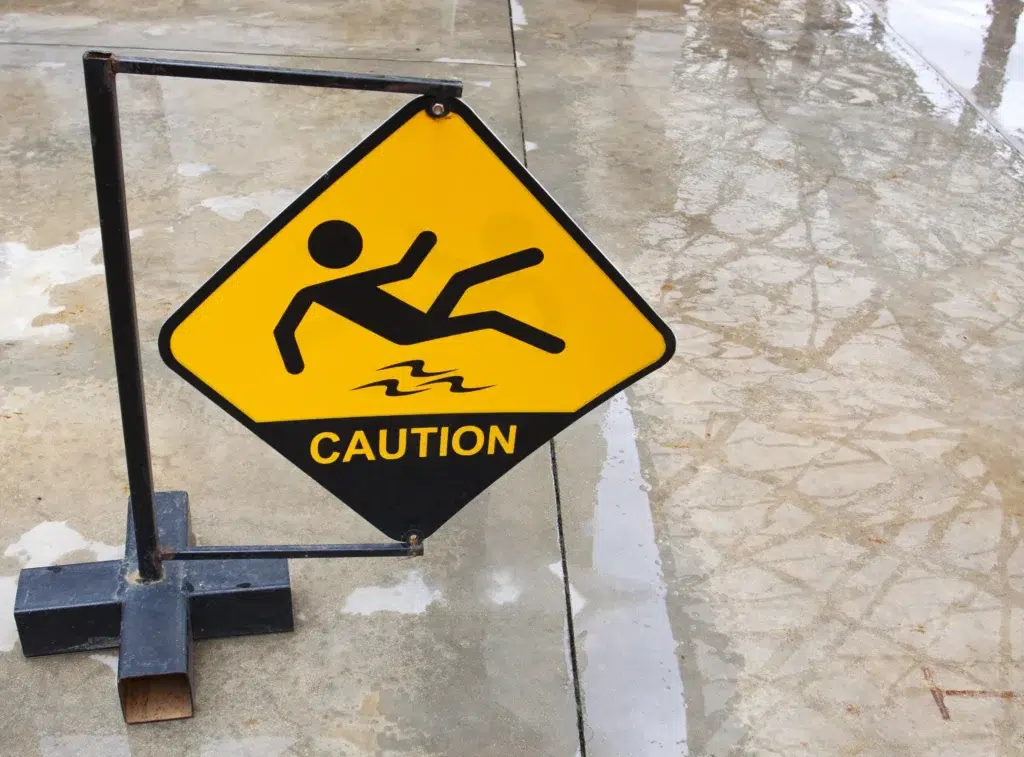
For slip and fall claims specifically, Florida has a statute that works in property owners’ favor. Under Section 768.0755 of the Florida Statutes, a person who slips on a transitory substance, like a spilled drink or a wet floor, in a business establishment must prove the business actually knew about the hazard or that it existed long enough that the business should have discovered it through ordinary care. Simply pointing to a wet floor is not enough. This is one of the most important tools we use when defending Florida business owners.
The Kinds of Premises Liability Claims We Defend
Premises liability cases come in many forms, and each requires a different defense strategy built around the specific facts. We regularly defend slip and fall claims in retail stores and restaurants, injuries blamed on poor lighting or broken stairs, and swimming pool and water-related accidents, an area we cover in more depth on our pool and water accident page. We also defend property owners accused of inadequate security, which is its own specialized area with distinct legal standards, covered in detail on our negligent security defense page, and bar or nightclub owners facing claims tied to patron altercations, which we handle through our bar and nightclub defense practice. Landlords and pet owners facing claims that a dog bit someone on the property fall under a related but distinct set of defenses, which our dog bite defense team handles directly.
How We Build Your Defense
Every premises liability defense starts with a careful review of what actually happened, not just what the claimant says happened. We investigate how long a hazardous condition existed, whether your maintenance and inspection records show reasonable care, and whether store or security footage tells a different story than the claim. We also look closely at the claimant’s own conduct. Florida follows a modified comparative negligence standard under Section 768.81 of the Florida Statutes, meaning if the injured person is found more than 50 percent responsible for their own injury, they may be barred from recovering anything at all, and any responsibility they do share reduces what they can collect.
We also scrutinize the extent of the claimed injuries. It is common for plaintiffs to overstate the severity or duration of an injury, and public social media activity can sometimes undercut those claims, a topic we cover in our guide on social media and your personal injury case. If your case moves into formal litigation, we manage every stage of the discovery process, explained further in our overview of discovery in Florida personal injury lawsuits, and we prepare you thoroughly if a deposition becomes necessary, drawing on the guidance in our deposition tips article.
We can help with your case.
The personal injury defense process can be complex, however you don’t have to go through it alone. We are here to help you navigate the litigation process by:
- Devise an aggressive defense strategy tailored to your situation.
- Evaluate your case and assess your potential exposure.
- Investigate applicable insurance coverages and policy limits.
- Gather and organize evidence to support your defense.
- Negotiate with opposing counsel to pursue the best possible resolution.
We will craft a defensive plan to fit your specific needs and circumstances. To get started, contact us today at:
What Happens After You’re Served
Being served with a lawsuit does not mean the case is decided against you, but it does start a clock. Florida civil procedure gives defendants a limited window to respond, and missing that deadline can result in a default judgment regardless of the merits of your case. Our overview of how a Florida civil lawsuit unfolds walks through what to expect stage by stage, and our broader guide on defending a Florida personal injury claim covers the decisions you’ll need to make early on. If you received a demand letter before any lawsuit was filed, our article on responding to a lawyer’s letter after an injury claim explains why an early, careful response matters. If you’ve been served with a slip and fall lawsuit specifically, our guide on what to expect after being sued for a slip and fall in Florida walks through the first 30 days in more detail.
Serving Property Owners Across Florida
Florida Civil Counsel, PA is based in Orlando and represents property owners, landlords, and businesses throughout the state, including Tampa, Jacksonville, and communities across Central Florida. Whether your property is a small rental home, a retail storefront, or a larger commercial complex, our team brings the same detailed, statute-informed defense to every case.
Out-of-state property owners and real estate investors who own Florida rental units face particular challenges when a premises liability claim arises, since they are often managing the response remotely through a property manager or leasing agent. We regularly step in early to coordinate directly with insurers, on-site staff, and any third-party management companies involved, so the defense stays consistent no matter where the property owner happens to live.
Ready to Defend Your Case?
Being accused of responsibility for someone else’s injury is stressful, particularly when you believe your property was safe and reasonably maintained. You do not have to sort through this alone. Our team can review the claim against you, explain your realistic options, and start building a defense immediately. Statewide consultations are available, and we invite you to contact us today to discuss your situation.
CAse Evaluation
Speak With One Of Our Experienced Premises Liability Defense Attorneys Today!
For more information or assistance with your premises liability defense case, call us now at 407-426-4444 We can provide you with immediate guidance you need when navigating the litigation process.
Florida law gives defendants limited time to respond once a civil lawsuit is filed. Do not wait to speak with an attorney.