
Does Homeowners Insurance Cover Dog Bites in Florida?
Usually yes, but not always, and the exceptions are where Florida dog owners get hurt. Most homeowners and renters policies include personal liability coverage that pays for a dog bite claim, including the injured person’s medical bills and your legal defense, up to the policy limit. But breed exclusions, prior-incident exclusions, business-use exclusions and “animal liability” endorsements can remove that coverage entirely, and many owners discover the gap only after someone has been bitten. This guide explains what a standard policy covers, the exclusions that cause denials, how renters and landlords are treated differently, what Florida’s Pam Rock Act now requires, and what to do if your insurer says no.
Why Insurance Matters More in Florida Than Almost Anywhere Else
Florida is a strict liability state. Under Florida Statute 767.04, a dog owner is liable when the dog bites someone in a public place or lawfully on private property, regardless of whether the dog ever showed aggression before. A separate statute, 767.01, makes owners liable for other damage a dog causes, such as knocking someone down. There is no “one free bite.” The injured person does not have to prove you were careless. Insurance industry data has consistently placed Florida second in the country for dog bite claims, with the average paid claim well above $50,000, and facial injuries, children and permanent scarring push individual claims far higher.
Strict liability does not mean automatic payment of whatever is demanded. The statute reduces an owner’s liability by the injured person’s share of fault, a proper “Bad Dog” sign can bar a claim by an adult, and trespassers are outside the statute. Our guide to Florida’s dog bite law covers those rules in detail. But every one of those defenses costs money to raise, and that is what liability insurance is for.
What a Standard Homeowners Policy Covers
When a homeowners or renters policy responds to a dog bite claim, it typically provides three things. Personal liability coverage pays the damages you become legally obligated to pay, up to the limit. Medical payments coverage pays smaller medical bills for a guest, often a few thousand dollars, without anyone having to prove fault or file suit. And the duty to defend means the insurer hires and pays a lawyer to represent you if you are sued.
Typical liability limits run from $100,000 to $300,000. That sounds like a lot until a claim involves surgery, scar revision or a child, at which point demands routinely exceed the limit. Anything above the limit is your personal responsibility. The duty to defend is also broader than the duty to pay: an insurer may defend you under a reservation of rights while it decides whether an exclusion applies, then decline to pay the settlement or judgment.
The Exclusions That Cause Denials
Coverage lives in the exclusions and endorsements, not on the declarations page. These are the provisions that most often turn a covered claim into an uncovered one in Florida:
Breed exclusions
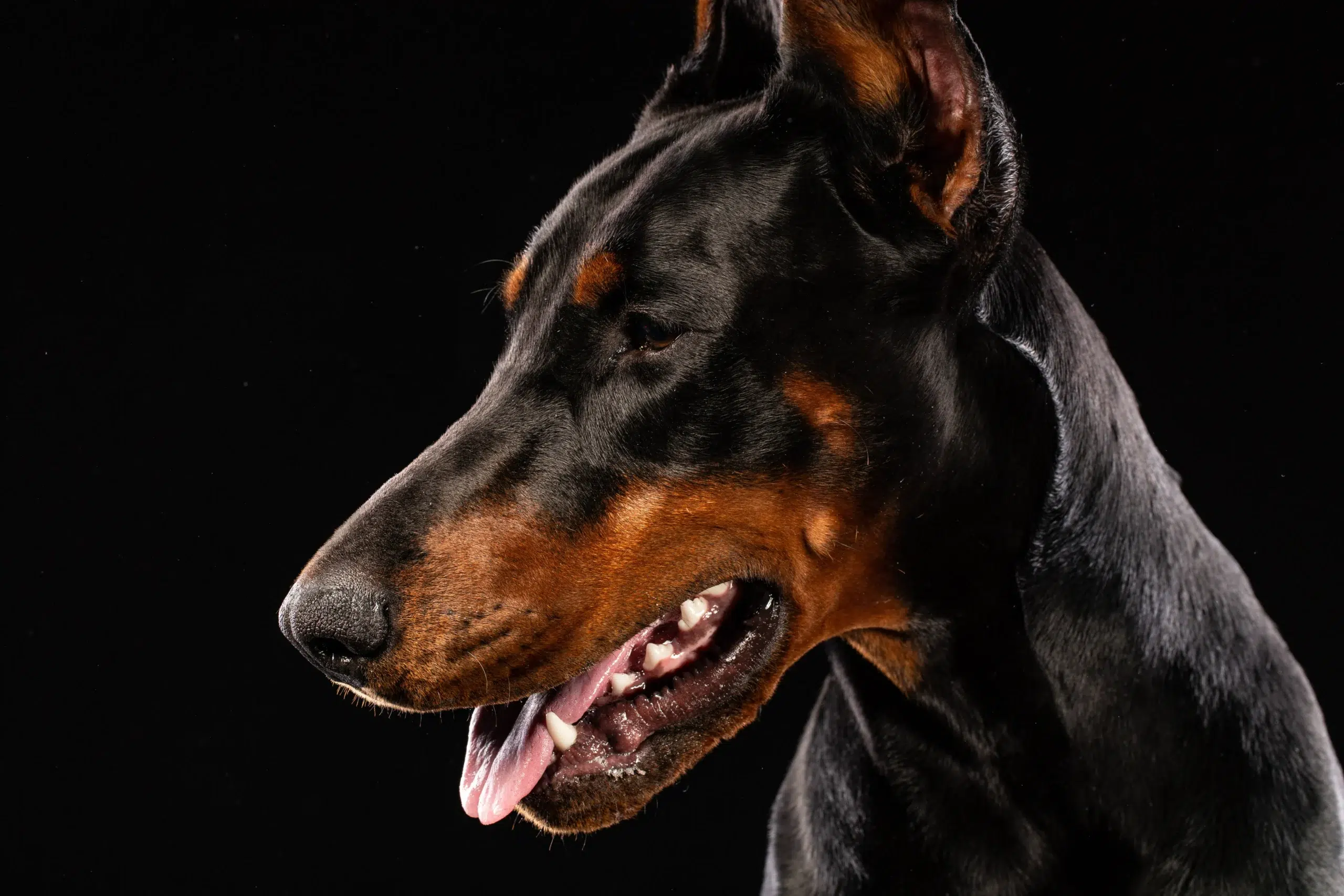
Many insurers keep a restricted breed list and exclude any injury caused by a listed breed or a mix containing one. Pit bulls, Rottweilers, Dobermans, German shepherds, Akitas, chow chows, mastiffs, Staffordshire terriers and wolf hybrids appear on most lists, and some policies apply the exclusion to a dog that merely “appears to be” a listed breed. The exclusion applies even if your dog has never shown aggression. Our article on dangerous dog breeds and insurance exclusions in Florida walks through real policy language and what it means for your defense.
Prior incidents, even without a bite
A prior bite is the obvious trigger, but insurers do not need one. Jumping, knockdowns, lunging, a neighbor’s complaint or an animal control report can all be used to argue the dog was known to be dangerous or that a prior-incident exclusion applies. If your dog has any history, read how prior dog bite history affects your defense.
Delivery drivers and workers
Bites involving mail carriers, delivery drivers, contractors and other workers on the property are a recurring Florida fact pattern and draw heightened scrutiny. Some policies treat them differently from bites to social guests, and the worker may also have a workers’ compensation claim running alongside the claim against you. See Florida dog bite law for delivery workers.
Off-premises incidents
Some policies cover you wherever the dog is; others limit coverage to the insured location. A bite at the dog park, on a walk or at a friend’s house may fall outside a policy that reads “arising out of the premises.”
Business use
If the dog is used for breeding, guarding a business or any commercial purpose, the business-pursuits exclusion can remove coverage entirely.
Animal liability exclusions and endorsements added at renewal
An increasing number of Florida policies exclude animal liability altogether or move it into a separate endorsement you have to buy. These changes often arrive at renewal, buried in the endorsement packet, and owners do not notice until a claim is filed.
Non-disclosure
If you did not tell the insurer you own a dog, or misstated the breed, the carrier may deny the claim and can cancel the policy. Be honest on the application; the premium difference is small compared with an uncovered claim.
Renters Insurance, Landlords and Rental Property
Renters policies can cover dog liability, but they tend to carry lower limits and stricter animal restrictions, and some exclude dog liability outright. Tenants also commonly assume the landlord’s policy will cover them. It almost never does: a landlord’s policy protects the landlord’s property and the landlord’s own liability, not a tenant’s dog. Whether the landlord can be pulled into the case at all depends on what the landlord knew and controlled; see landlord liability in Florida dog bite cases.
The Pam Rock Act: Mandatory Insurance for Dangerous Dogs
Florida’s Pam Rock Act (House Bill 593) was signed on May 21, 2025 and took effect July 1, 2025. It applies to dogs that have been formally classified as dangerous under Florida Statutes 767.11 through 767.16, meaning dogs that have aggressively attacked a person, severely injured or killed a pet, or menacingly chased people. Owners of a classified dangerous dog must now carry at least $100,000 in liability insurance, register the dog, microchip it, keep it spayed or neutered, and confine it in a secure enclosure with warning signs. Violations carry fines of up to $1,000 each, and if a classified dog seriously injures or kills someone the owner can face a second-degree felony charge.
Two practical points follow. First, if your dog is under investigation for a dangerous dog classification, the insurance question and the classification hearing are now linked, and you should get counsel involved before the hearing. Second, a dog that has been classified is exactly the dog most standard policies exclude, so the mandatory coverage may have to come from a specialty carrier. Our article on the Pam Rock Act and what it means for dog owners covers the classification process and defenses.
Why Insurer-Appointed Counsel Is Not Enough
When your policy responds, the insurer assigns a lawyer. That lawyer is competent, but the insurer is paying, and the insurer’s interest is closing the claim inside the policy limit. Yours may be different: your reputation, your dog, a settlement demand above the limit that would come out of your pocket, or an exclusion the carrier is reserving rights on while it defends you. In those situations dog owners often retain their own dog bite defense attorney to monitor the defense, push back on the coverage position, and handle the part of the exposure the insurer will not.
If Your Coverage Is Denied
A denial is not the end of the analysis. Have the policy read closely; exclusions are sometimes narrower than the denial letter suggests, and an exclusion that was not properly added or disclosed may not be enforceable. Check whether an umbrella policy, a separate animal liability policy or an HOA master policy applies. Then understand your real exposure. Florida protects a homestead, retirement accounts and head-of-family wages from most judgments, which changes how a claim is negotiated when there is no insurance behind it. Our guide on financial affidavits in Florida injury cases explains what is reachable and what is not, and why disclosing your finances can help or hurt.
Without coverage, the plaintiff’s attorney is deciding whether you are worth suing personally. Strong defenses, an honest picture of collectible assets, and early negotiation through counsel often resolve these claims for far less than the demand. If you have been served, read what to do after receiving a dog bite lawsuit in Florida.
What to Do When a Claim Is Reported
The first days after an incident are when coverage and liability are won or lost. Notify your insurer promptly and in writing, because late notice is itself a basis for denial. Ask for a complete copy of the policy including every endorsement. Do not give a recorded statement, apologize to the injured person or their attorney, or speculate about what happened until you have spoken with a lawyer; casual statements are used to prove both liability and exclusions. Photograph the scene, preserve any video, and write down witnesses. Do not pay an informal demand. And do not sign a financial affidavit or release before counsel reviews it.
Insurers and plaintiff’s attorneys will send document requests early. Our guide on responding to insurance requests after a dog attack explains what you must provide and what you can decline.
What to Check Before Anything Happens
A twenty-minute policy review now can prevent a life-changing denial later. Read the exclusions section and every endorsement for “animal,” “dog,” “breed” or “canine.” Confirm whether coverage follows the dog off premises. Confirm your liability limit is realistic for a serious injury; raising it or adding an umbrella policy is inexpensive compared with the exposure. Disclose your dog and its breed accurately. If your dog is a commonly excluded breed or has any incident history, ask your agent for written confirmation of coverage or look at a specialty animal liability policy. Keep vaccinations current, secure the yard, and use a leash off property; beyond preventing bites, these facts matter to insurers and juries.
Bitten by Someone Else’s Dog?
This guide is written for dog owners, but the same coverage rules decide what an injured person can recover. If you were bitten, the owner’s homeowners or renters policy is usually the source of compensation, and the exclusions above are the reasons a claim gets denied. Our Florida dog bite injury attorneys handle those claims, and because we represent both sides we know how carriers evaluate them.
Talk to Florida Civil Counsel, P.A. Before You Respond
Florida Civil Counsel, P.A. is based in Orlando and defends dog owners throughout Florida, from Tampa and Jacksonville to Miami and Fort Lauderdale, in pre-suit claims, lawsuits, coverage disputes and dangerous dog proceedings. Whether your insurer has accepted the claim, reserved its rights or denied it outright, we can review the policy, evaluate the defenses available under Section 767.04, and deal with the other side so you do not have to. Contact us today or call (407) 426-4444 for a consultation.